Louisiana Makes Its Mark at the 2026 AUCD Conference
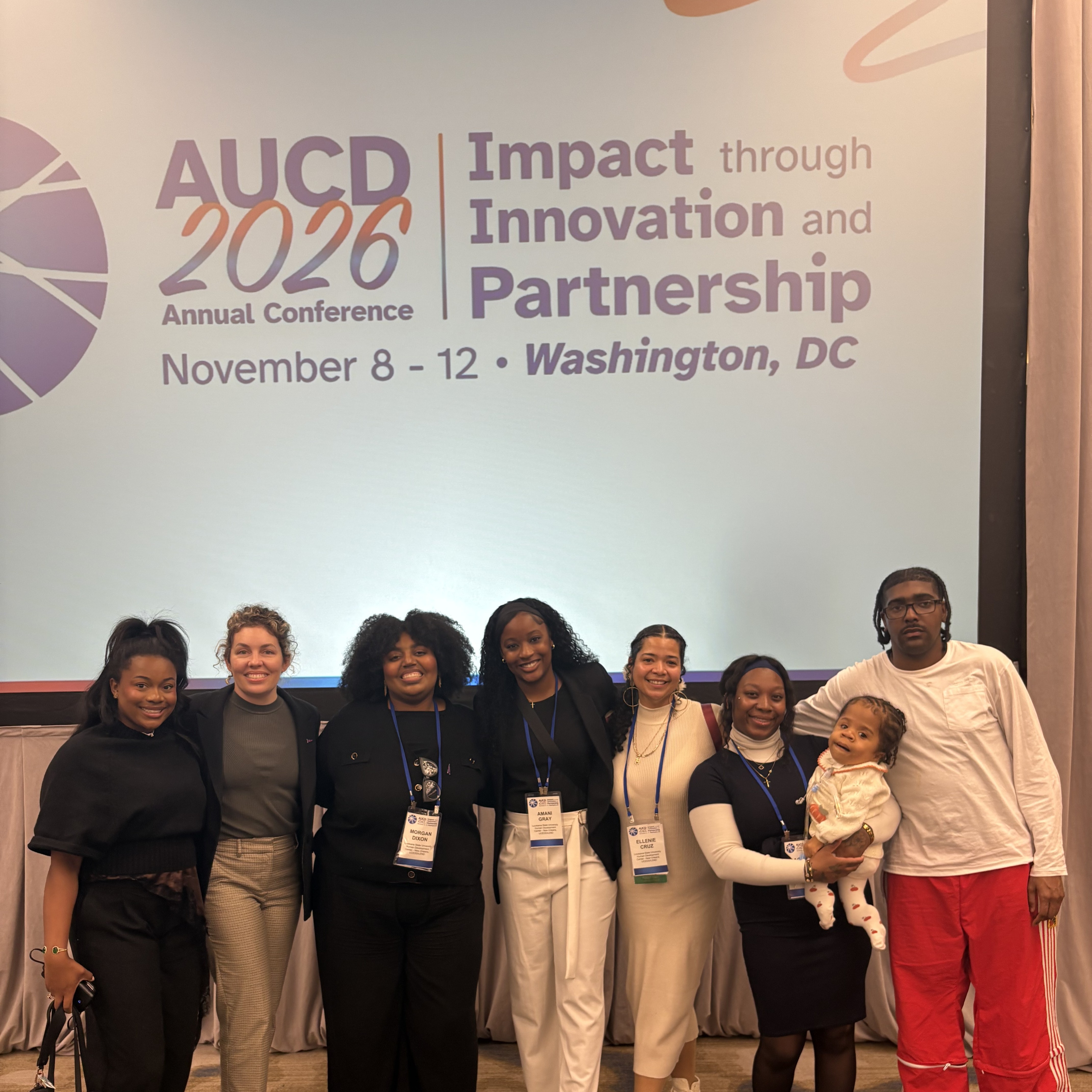
Louisiana was well represented at the 2026 Association of University Centers on Disabilities (AUCD) Conference in Washington, D.C., November 8–11. Faculty and staff from programs across the state joined colleagues from across the country to share ideas, highlight their work, and build connections that support people with disabilities and their families.
This year's conference theme, Impact Through Innovation and Partnership, focused on the power of collaboration, new ideas, and shared learning to strengthen services, research, education, and support for people with disabilities.
Faculty and staff from the LSU Health New Orleans Human Development Center (HDC) and its programs contributed to these conversations by sharing their knowledge, experiences, and work happening across Louisiana.
Leading Change
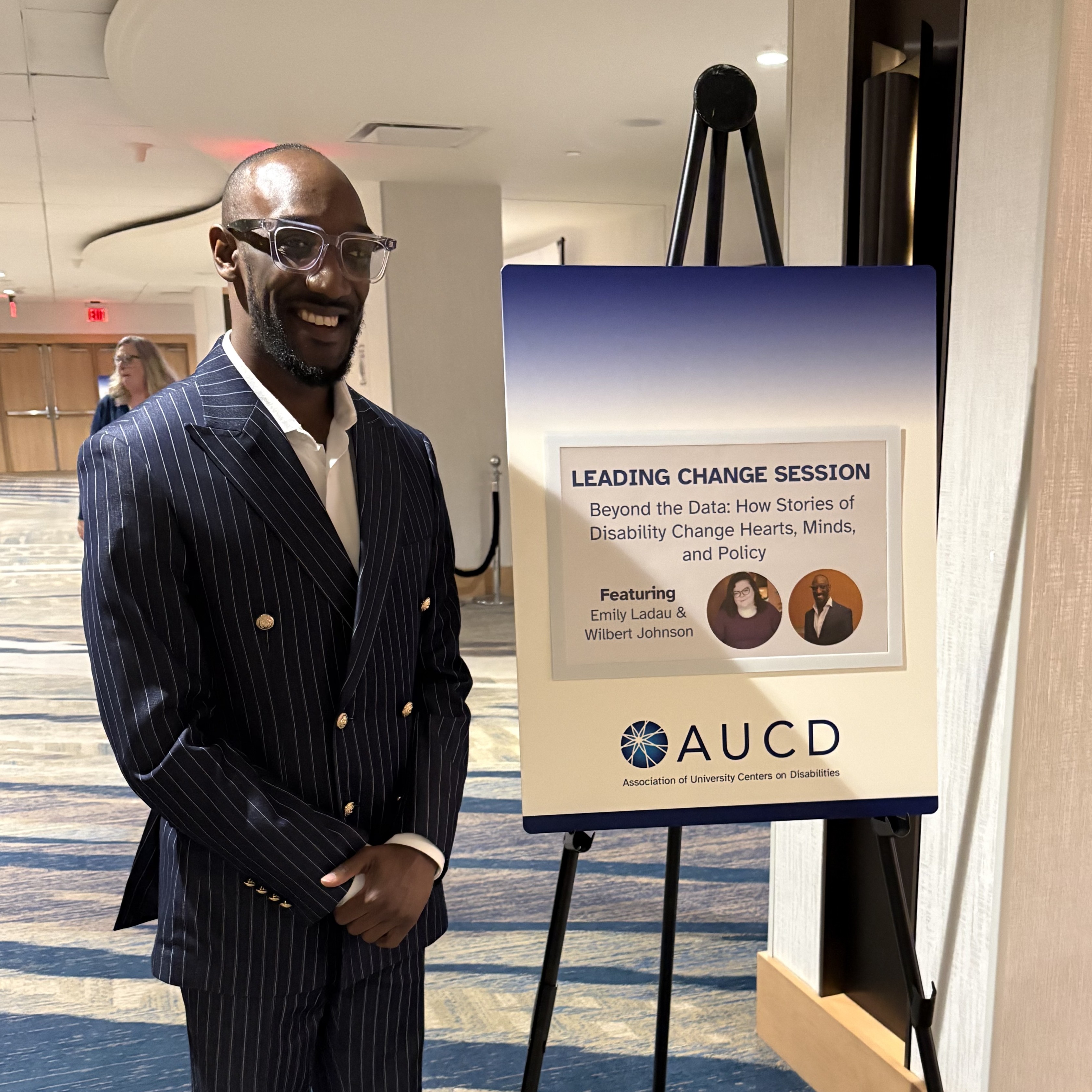
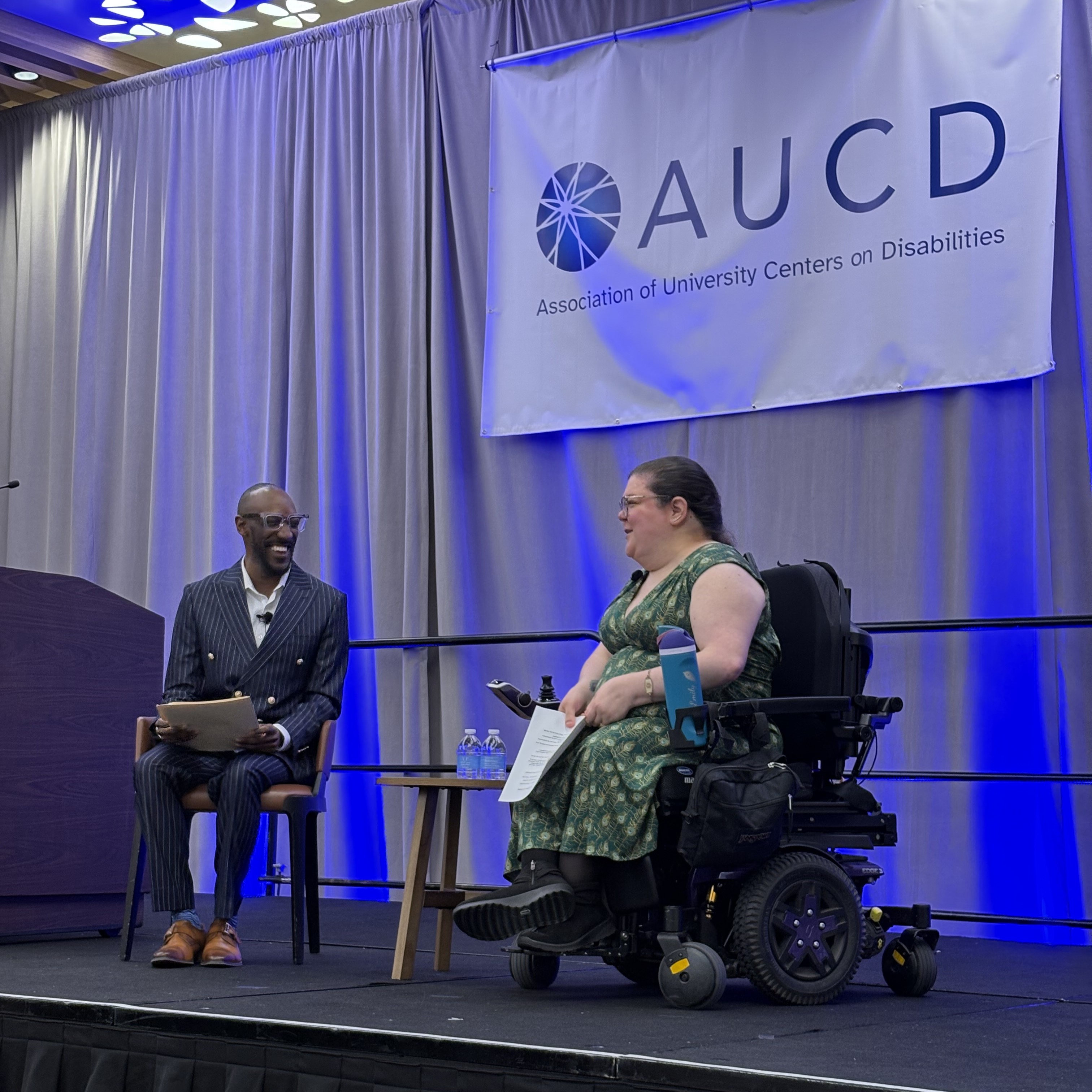
At a time when so much is at stake for people with disabilities, facts and figures alone are not enough to protect or advance disability policy. In this fireside chat, Emily Ladau, disability rights advocate and author of Demystifying Disability: What to Know, What to Say, will draw on lived experience and professional expertise to show how real stories of policy's impact can change hearts, minds, and ultimately laws. The conversation will explore how to meet people where they are and navigate evolving questions about what is okay to say while still working toward inclusion and accessibility for all. The focus will remain on why disabled people must be at the center of their own stories and have seats at the table. Attendees will come away with practical communication approaches, a reminder of their "why," and renewed hope that sharing our stories can make the world more accessible for the disability community.
Sharing Louisiana's Work
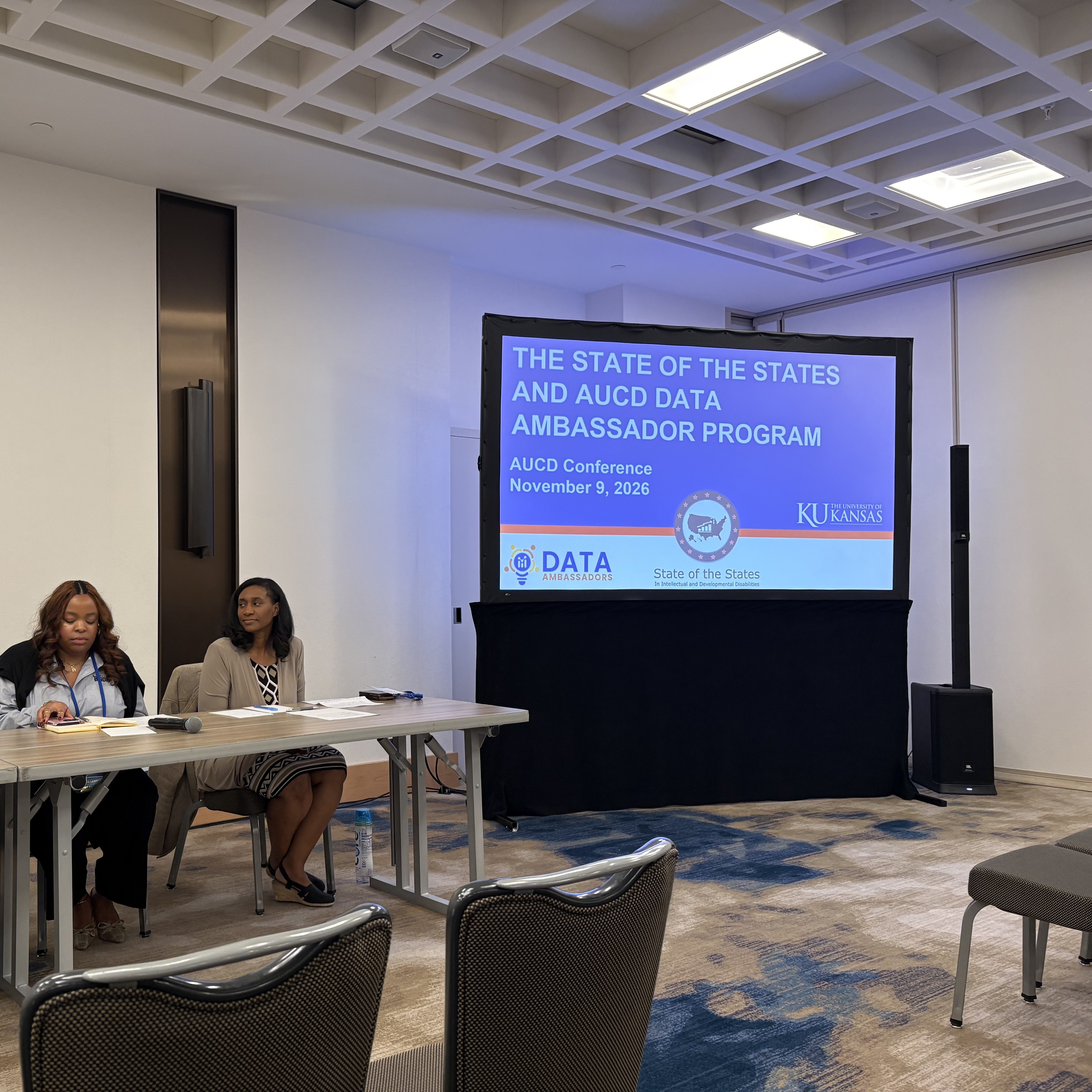
Decisions in the I/DD field are only as strong as the data that informs them ? yet emerging leaders often do not have familiarity with national IDD data sources, limiting their ability to use and share data for decision-making in policy, advocacy, and practice. The Data Ambassador Program, a partnership between the State of the States in Intellectual and Developmental Disabilities Project of National Significance and AUCD, was established to address this gap by creating regional cohorts of UCEDD/LEND Trainees trained as Data Ambassadors. By the end of this five-year program, there will be representation in every state and territory, helping to ensure data-informed advocacy reaches underserved communities and territories.
The program is in its third year and is continuing to equip Ambassadors with deep knowledge of local, state, and national Medicaid IDD data and data accessibility. This will prepare them as they advance to leadership positions across disability sectors. Trainees work directly with State of the States data, learning how to translate complex datasets for diverse audiences through trainings and their end-of-program presentation to a Developmental Disability Act partner in their community (UCEDD/LEND, DD Council, or P&A). Ambassadors from the Territories are working to address data gaps within their governments and present their findings to bring attention to this issue. Ambassadors are also widening their network through this presentation and through the wide array of disability experts and advocates who participate as guest speakers during training sessions. This presentation will feature Ambassadors speaking to their experiences in the program-what they have learned, how they have applied their training, and the impact of the program on their professional development. Attendees will gain insights into how this program is equipping emerging leaders in UCEDDs and LENDs to strengthen data knowledge and literacy across the network and further foster collaborations.
This program addresses a critical educational need, advances equity through data accessibility, and invests in emerging leaders from across the country. The program reflects AUCD's core values of collaboration, leadership development, and community-centered practice. Attendees will leave with ideas for integrating national IDD data into their own training, research, and advocacy.
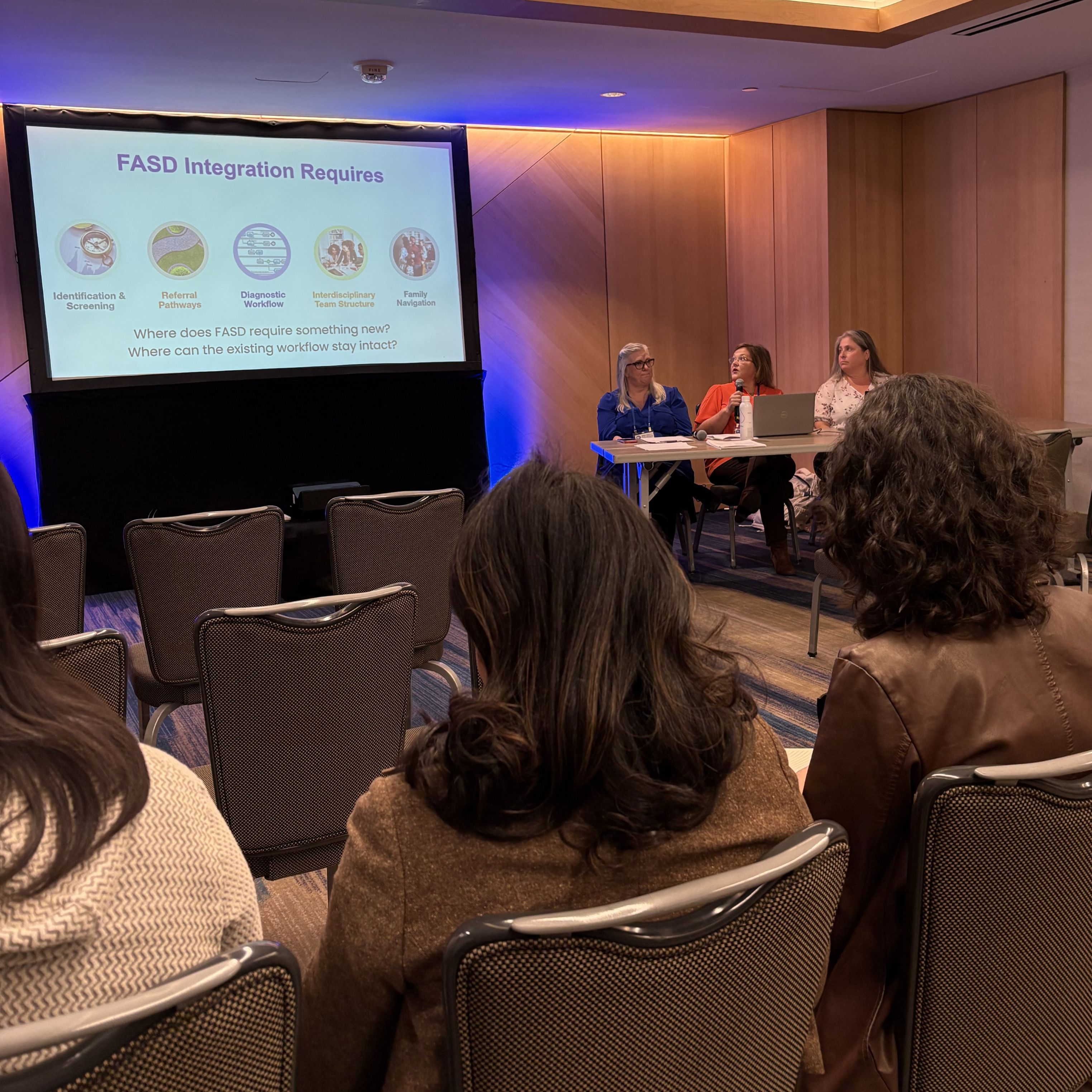
This session will explore how established autism diagnostic clinics can expand their services to include FASD evaluation. Presenters will share experiences and practical considerations for building on existing clinical expertise to improve access to diagnosis and support.
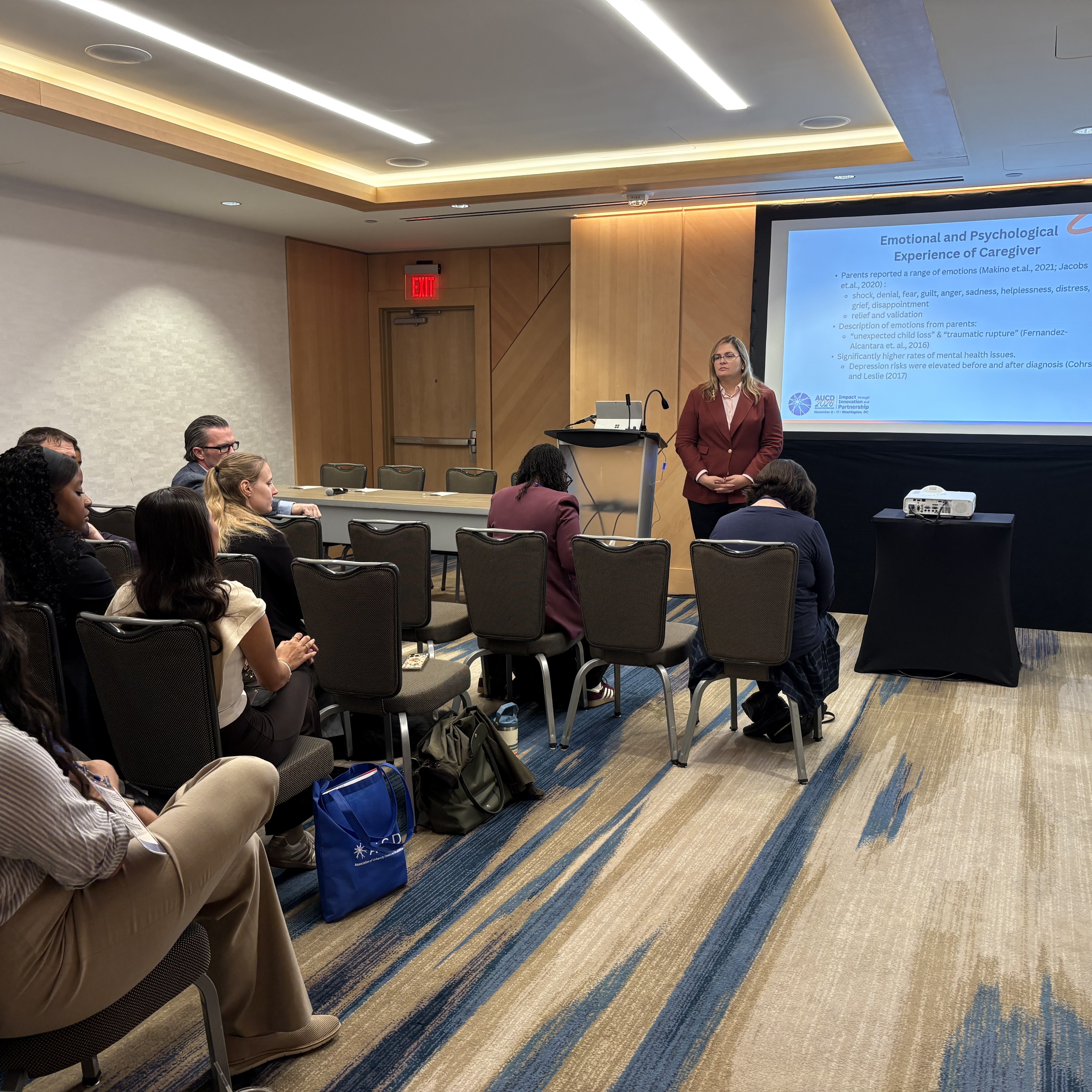
This presentation examines caregivers' experiences and perceptions during their children's autism diagnostic journey and explores how these experiences influence caregiver well-being, family dynamics, and access to services. Caregivers play a central role in identifying developmental concerns, navigating evaluations, advocating for supports, and coordinating services for autistic children. Despite their critical role, many caregivers experience substantial emotional, psychological, financial, and systemic challenges throughout the diagnostic process. Understanding these experiences is essential for improving family-centered practices, increasing service accessibility, and promoting equitable outcomes for autistic individuals and their families.
This mixed-methods study was conducted in a southern urban metropolitan area and included both quantitative and qualitative data collection. Participants were recruited through multiple social media outreach channels to encourage diversity in sampling. In the quantitative data, frequently reported barriers included lack of available providers, scheduling difficulties, transportation concerns, and financial strain due to inadequate insurance coverage. Nearly half of participants also reported that healthcare providers did not spend sufficient time addressing their concerns or explaining next steps following diagnosis. Additional findings demonstrated significant employment impacts, including reduced work hours, missed promotions, job loss, and caregivers leaving the workforce entirely to support their child's needs. Qualitative analysis identified several major themes, including service access difficulties, emotional well-being, peer support, self-education, and advocacy. Caregivers described feelings of grief, isolation, stress, frustration, and helplessness throughout the diagnostic process. Many participants emphasized the emotional toll of navigating long waitlists, inconsistent professional guidance, and limited support systems. At the same time, caregivers highlighted the importance of advocacy, community support groups, and connecting with others who shared similar experiences.
This presentation aligns with the values of the AUCD Network by emphasizing family-centered practices, interdisciplinary collaboration, equity, advocacy, and systems-level improvement for individuals with disabilities and their families. Implications for practice include improving communication with caregivers, expanding post-diagnostic supports, increasing accessibility through flexible service delivery models, and integrating caregiver mental health supports into service systems. Participants will gain practical strategies for supporting caregivers across educational, healthcare, and community settings while promoting more compassionate and responsive approaches to autism diagnosis and intervention.
The AUCD Network Impact Spotlight session showcases innovative projects, programs, and activities led by AUCD Network members that are advancing outcomes for people with intellectual and developmental disabilities and their families. These brief presentations highlight initiatives from the past year, sharing practical strategies, emerging practices, and lessons learned from across the Network. Presentations feature work from UCEDDs, LEND programs, IDDRCs, and other Network partners, creating opportunities for collaboration and knowledge sharing.
AUCD Awards
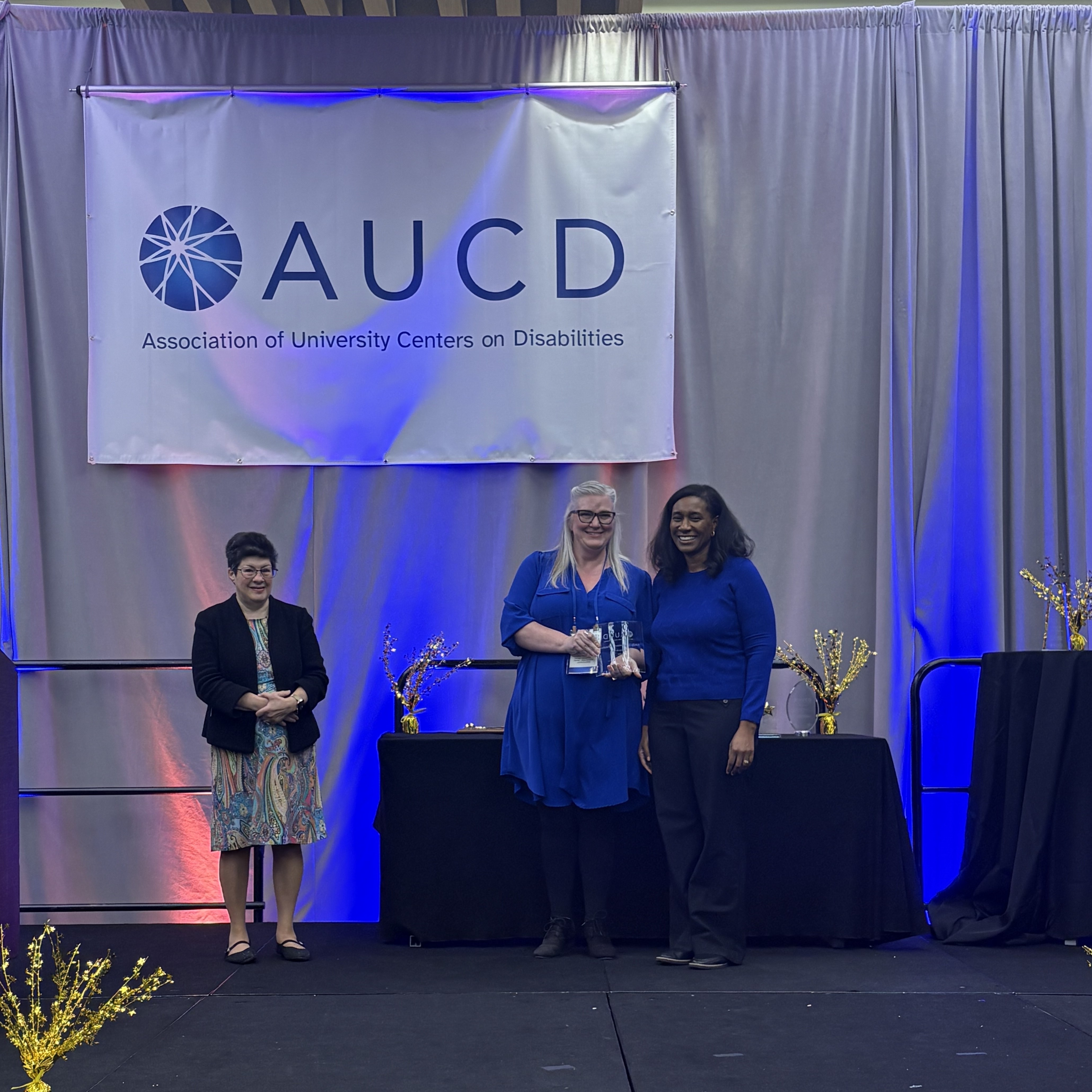
The Human Development Center (HDC) and Louisiana LEND were proud to nominate two outstanding individuals recognized at the 2026 AUCD Conference Awards. 2025 Louisiana LEND Scholar Emily Schasteen received the Anne Rudigier Award, while Noam Platt of MakeGood NOLA received the Special Recognition Award. Both nominations were submitted by HDC and LEND staff to recognize their meaningful contributions to people with disabilities and their families. These awards highlight the impact of dedicated individuals and community partnerships in strengthening disability services and support across Louisiana.
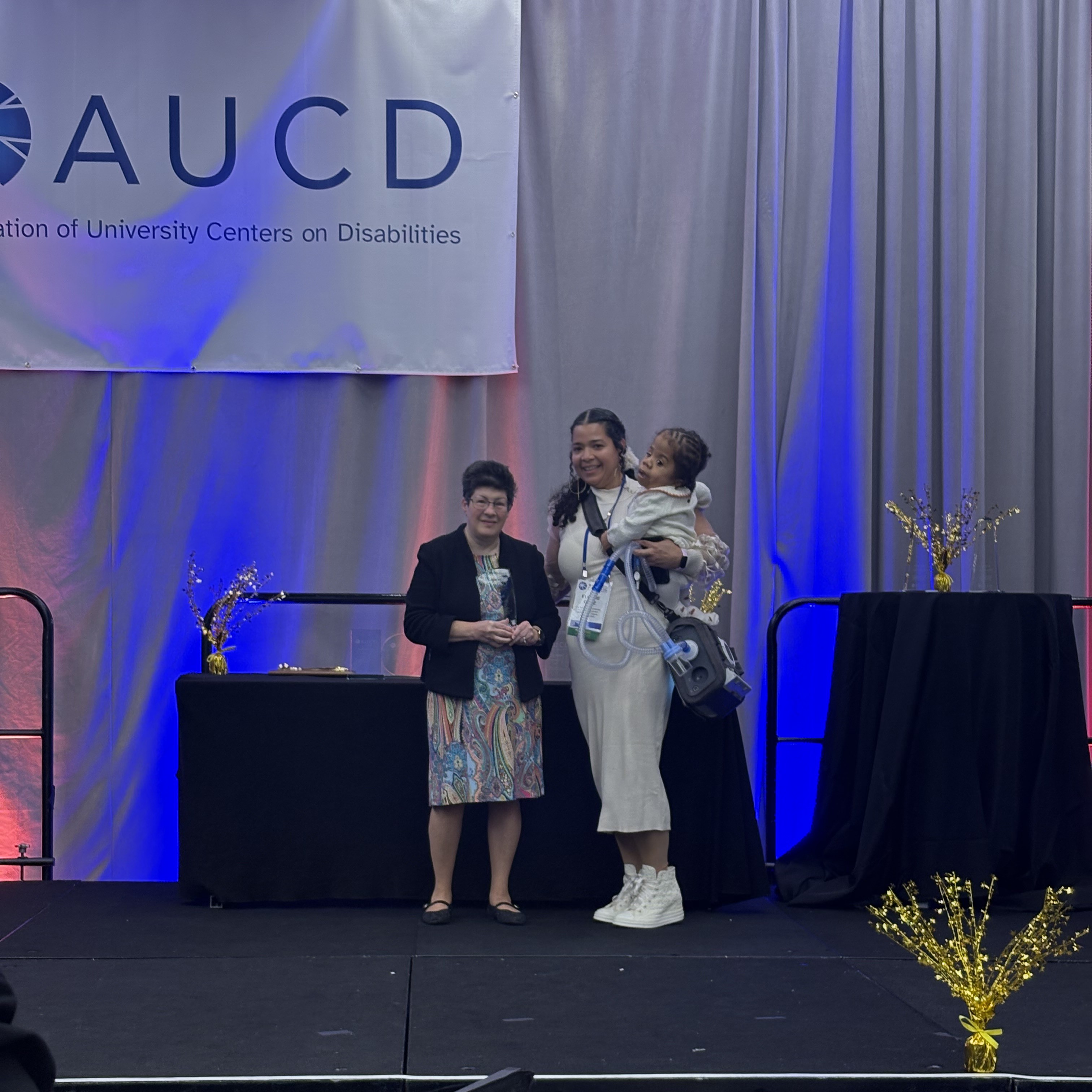
Neither winners were able to accept the awards at the conference. LEND faculty Krista
James and Constance Alphonse were proud to accept Emily's award on her behalf. 2026
LEND scholar Ellenie Cruz-Hampton accepted Noam's award with her young daughter.
Anne Rudigier Award: Emily Schasteen
2025 Louisiana LEND Scholar Emily Schasteen received the Anne Rudigier Award in recognition of her commitment to improving the lives of people with developmental disabilities and their families.
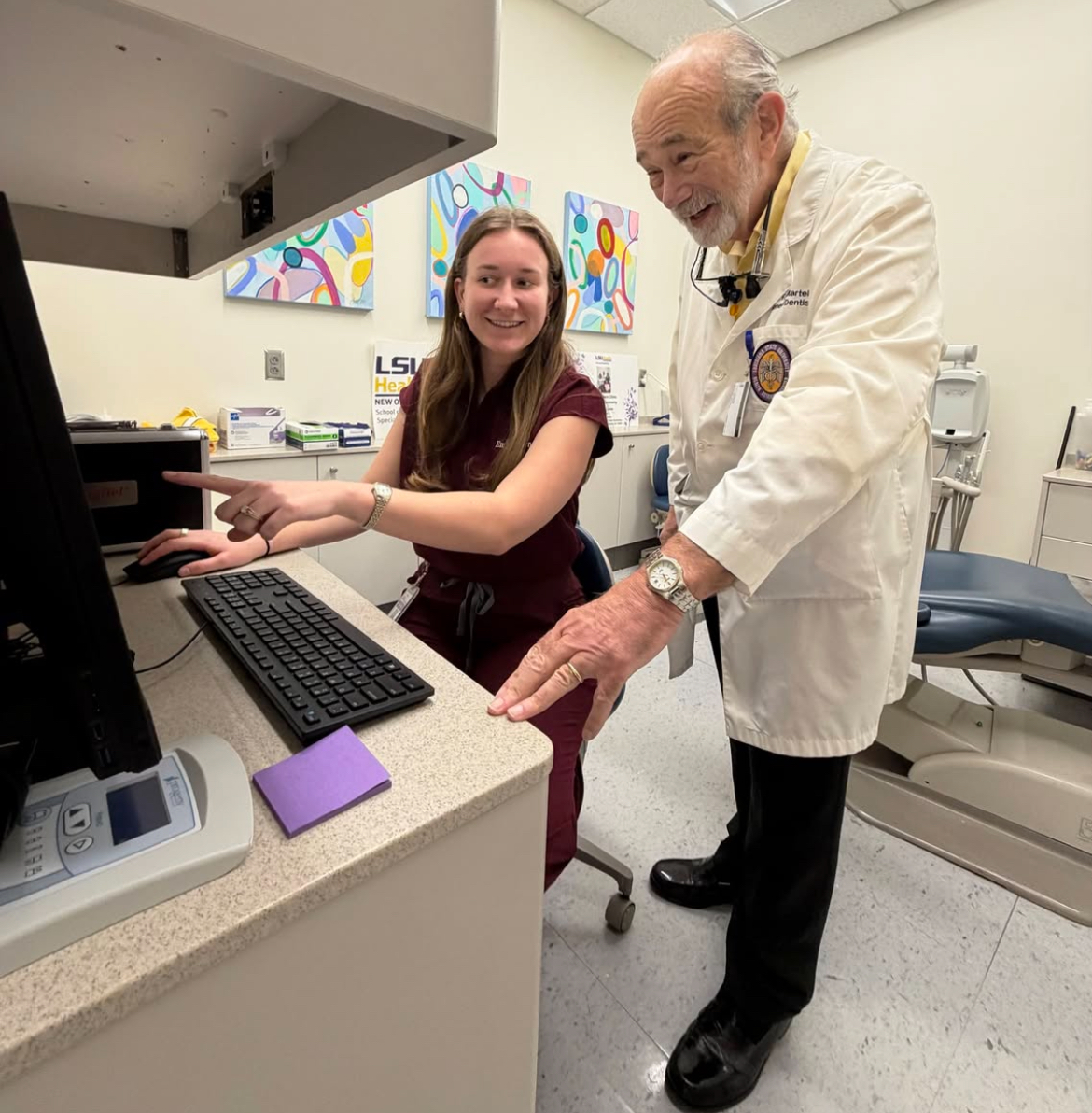
As a trainee with Louisiana's LEND and UCEDD programs at LSU Health Sciences Center, Emily has worked to make dental care more accessible for people with disabilities. Through her work with the Special Care Patient Clinic at the LSU School of Dentistry, she helps connect patients, families, dental students, and providers to improve access to care.
Emily's impact extends beyond the clinic. After identifying gaps in dental education, she helped develop a new special care dentistry course to better prepare future dentists to serve patients with disabilities. Her work not only helps people navigate existing systems but also creates opportunities to make those systems better for future generations.
The Anne Rudigier Award honors an outstanding trainee or student whose commitment to supporting people with developmental disabilities and their families reflects the values of Anne Rudigier. Emily's work embodies that spirit by building capacity, creating meaningful change, and helping make dental care more accessible for all.
Special Recognition Award: Noam Platt of MakeGood NOLA
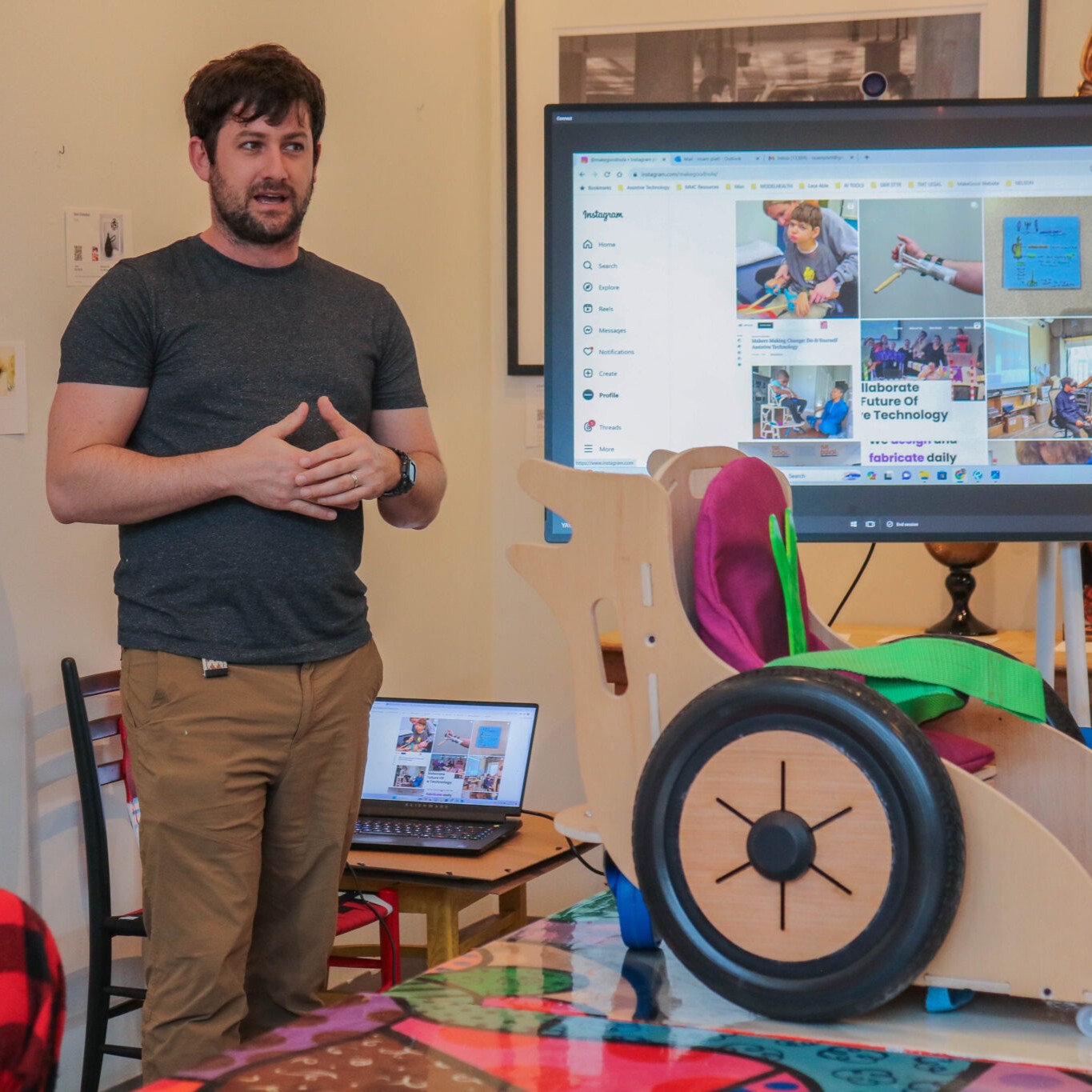
Noam Platt, founder of MakeGood NOLA, received AUCD's Special Recognition Award for his contributions to people with disabilities and their families through collaborative design and assistive technology.
MakeGood is a nonprofit that designs and creates affordable assistive technology to help people overcome everyday barriers. Its collaborative approach brings together people with disabilities, designers, engineers, clinicians, and students to develop practical solutions that improve access and independence.
Through this work, Noam demonstrates how partnerships across communities and professions can extend the impact of inclusion beyond a single organization or institution. His contributions show the value of bringing people together, sharing expertise, and creating solutions that make a meaningful difference in people's lives.