
Training the Leaders Louisiana Needs:
Inside the LEND Program
What if your education and training prepared you to improve entire systems of care?
Across Louisiana, gaps in access to coordinated, inclusive services continue to impact individuals with developmental disabilities and their families. While many professionals are trained in clinical care, today’s challenges require something more: leaders who can collaborate across disciplines, advocate for change, and reimagine how systems work.
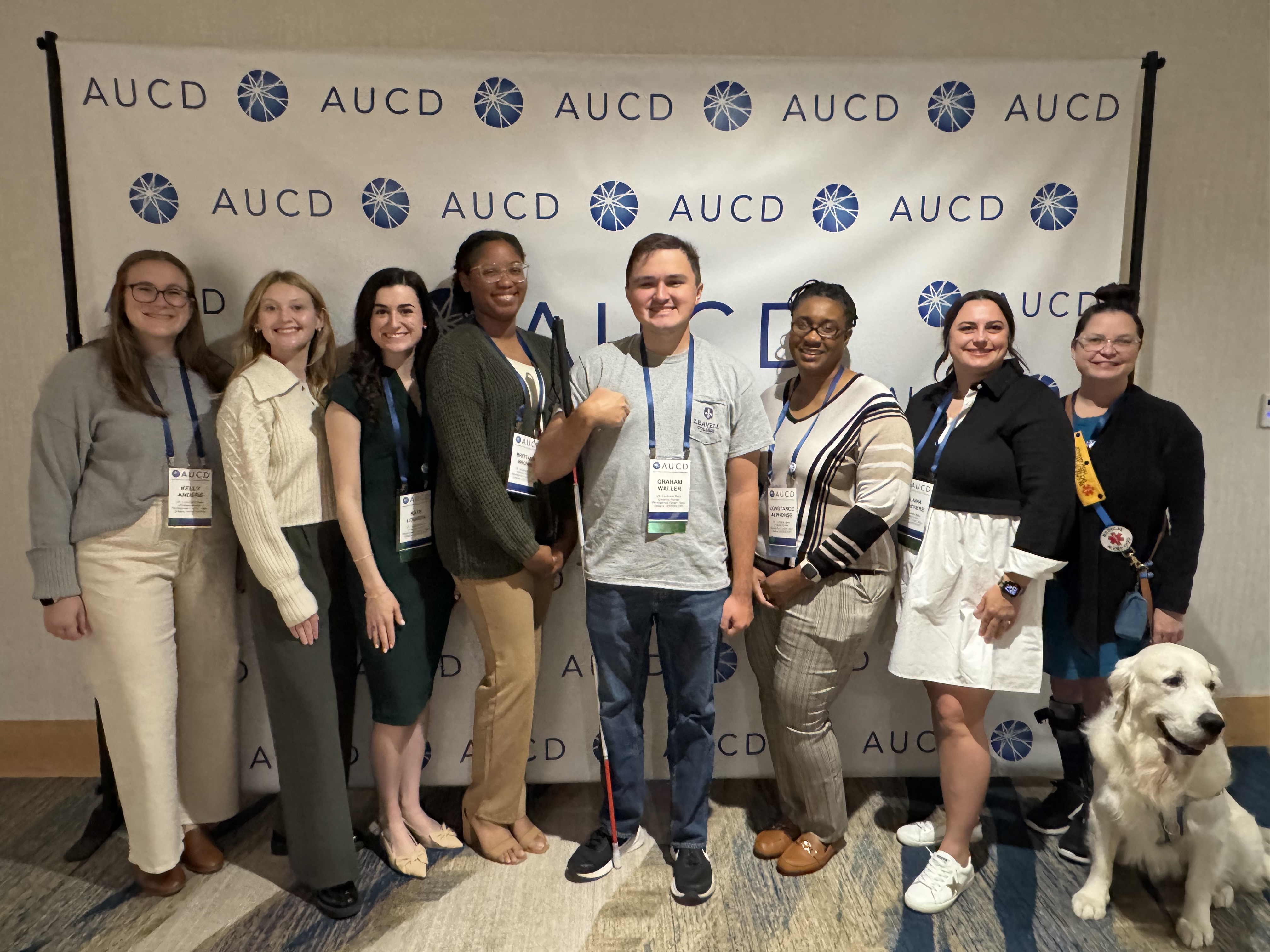
That’s exactly what the Louisiana Leadership Education in Neurodevelopmental and Related Disabilities (LEND) Program at the LSUHSC Human Development Center is designed to do.
“LEND taught me to see patterns, pathways and leverage points in systems instead of isolated cases. It made me realize you can't be a reductionist,” shares Jesica Bates, 2025 LEND scholar and LSU PhD candidate in Communication Sciences. “You can't reduce a systems-level problem to an individual one, which is what a lot of therapies train clinicians to do.”
Jes was looking for an interdisciplinary program that extended beyond the classroom or clinic, especially since their research doesn’t fit neatly into one field. Jes found that flexibility in LEND: “Because we were collaborating across so many disciplines, it stopped being an issue of medicine alone or speech-language pathology alone. Instead, you start to recognize broader patterns, like healthcare access.”
LEND is an intensive nine-month leadership training program for graduate students, individuals with disabilities, family advocates, and practicing professionals. Through more than 300 hours of interdisciplinary training, community engagement, and leadership development, scholars gain the skills needed to address real-world challenges in healthcare, education, and human services.
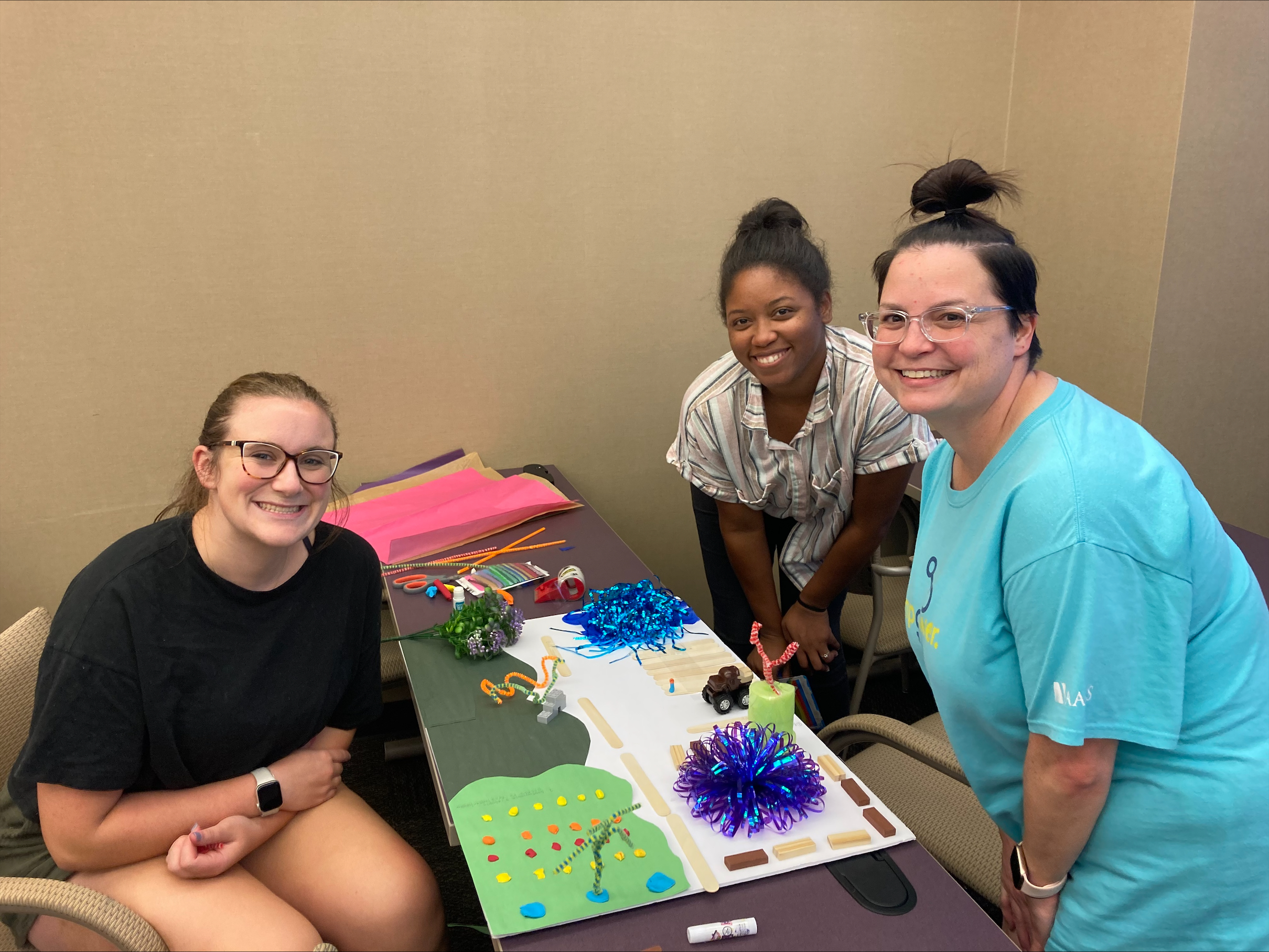
Through LEND, Jes found the kind of community they had been searching for: one grounded in humanistic, person-centered perspectives rather than purely clinical, “disordered” frameworks. That shift didn’t just offer a sense of belonging. It transformed how Jes understands systems.
“Systems change means something way more concrete to me now,” they explained. “It no longer means improving services or interventions. For me, it means changing the actual conditions under which people are recognized, supported, and legitimized.”
What once felt abstract became grounded in real experience. “LEND anchored it in real life,” Jes said. “It moved my thinking from helping people within systems to trying to reconfigure or redesign how systems work.”
A key part of that shift came through LEND’s Family Mentoring Experience, a community-based component that pairs scholars with mentor families of children with disabilities. Through this experience, scholars engage in everyday life alongside families to better understand their lived experience. Working with their mentor family, Jes found a kind of connection not often experienced in traditional training program.
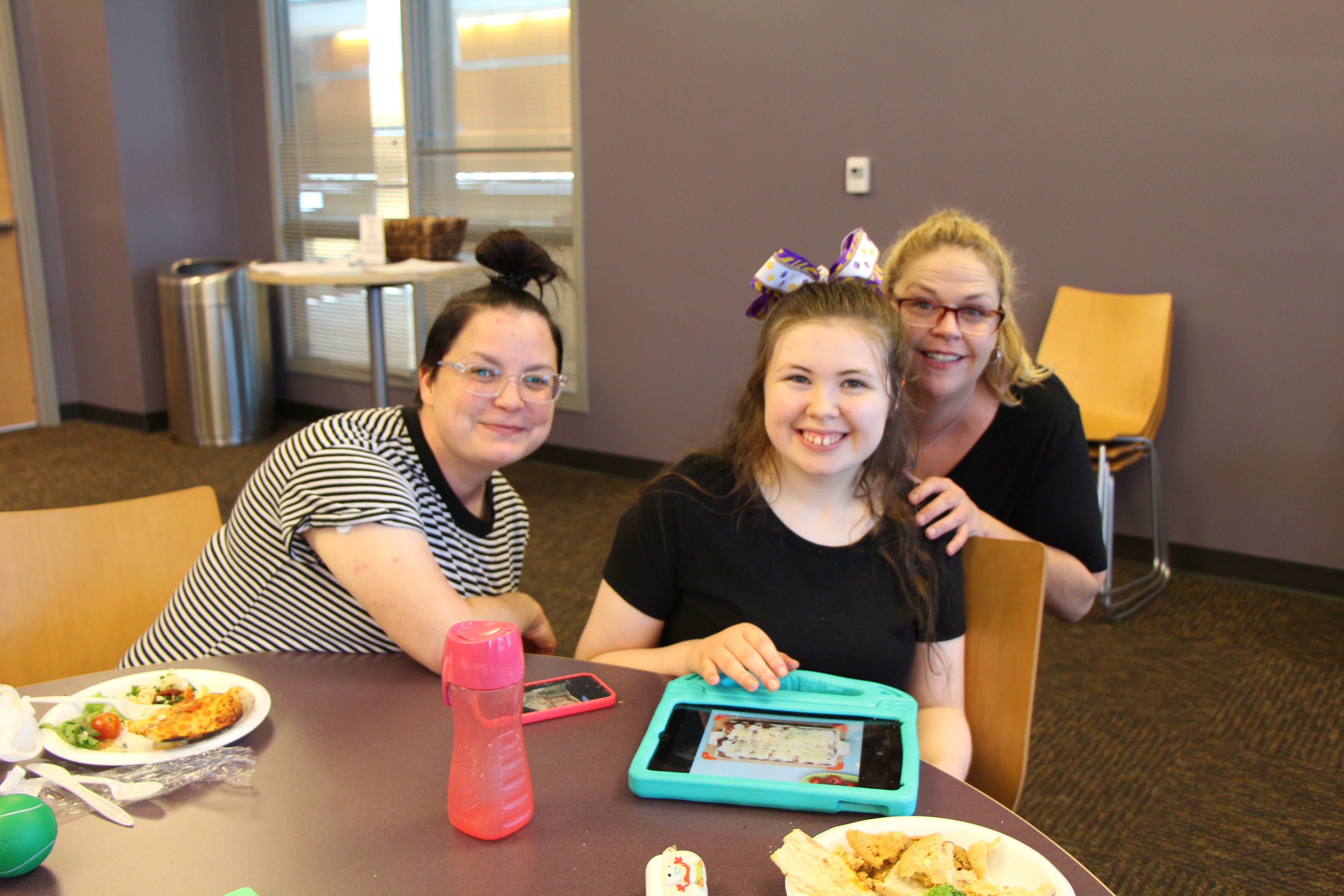
“The LEND program expanded my sense of community beyond the program itself and into the communities we are ultimately called to serve,” Jes said. “Before LEND, many of my clinical experiences felt structured around scheduled therapy time—more focused on the session itself than on truly getting to know the person and family as humans. Through the service-learning project, we had the opportunity to co-develop something with the family based on their self-identified needs. That collaborative process was one of the most invaluable parts of my training. Even after five years of clinical work, I had never experienced that level of family partnership and shared decision-making.”
That systems-level lens now shapes their work every day. “I started asking not only, ‘how can I support this person?’ but ‘why is the system structured where they have to fight for support at every step?’ It was a literal mindset shift.”
That mindset shift is reflected in Jes’ work. Their LEND capstone, “Empowering Autistic Communication Toolkit,” moved away from deficit-based approaches and toward understanding and acceptance. “It wasn’t about ‘how do I fix this?’” Jes explained. Their toolkit describes different ways autistic people communicate, why it happens, how to support it, and how to accept it. The project marked a shift from intervention to affirmation, centering all forms of communication as meaningful rather than something to correct. That perspective now drives their doctoral research, “Exploring Emotions Through Art: Perceptions and Experiences of Stimming from the Autistic Perspective,” which uses artwork and participant narratives to elevate autistic voices. “This isn’t about intervention for me,” Jes said. “This is about belonging, understanding, and supporting in the right ways.”
Jes also sees LEND as part of the solution to broader challenges across Louisiana. “There’s such fragmentation across systems,” they explained. “Families are navigating medical care, schools, behavioral health, disability services… and the systems don’t really talk to each other. LEND can help bridge those gaps through interprofessional training and shared understanding.”
As Louisiana works to build a more connected and inclusive system of care, programs like LEND are preparing leaders who can think beyond silos and create meaningful change.
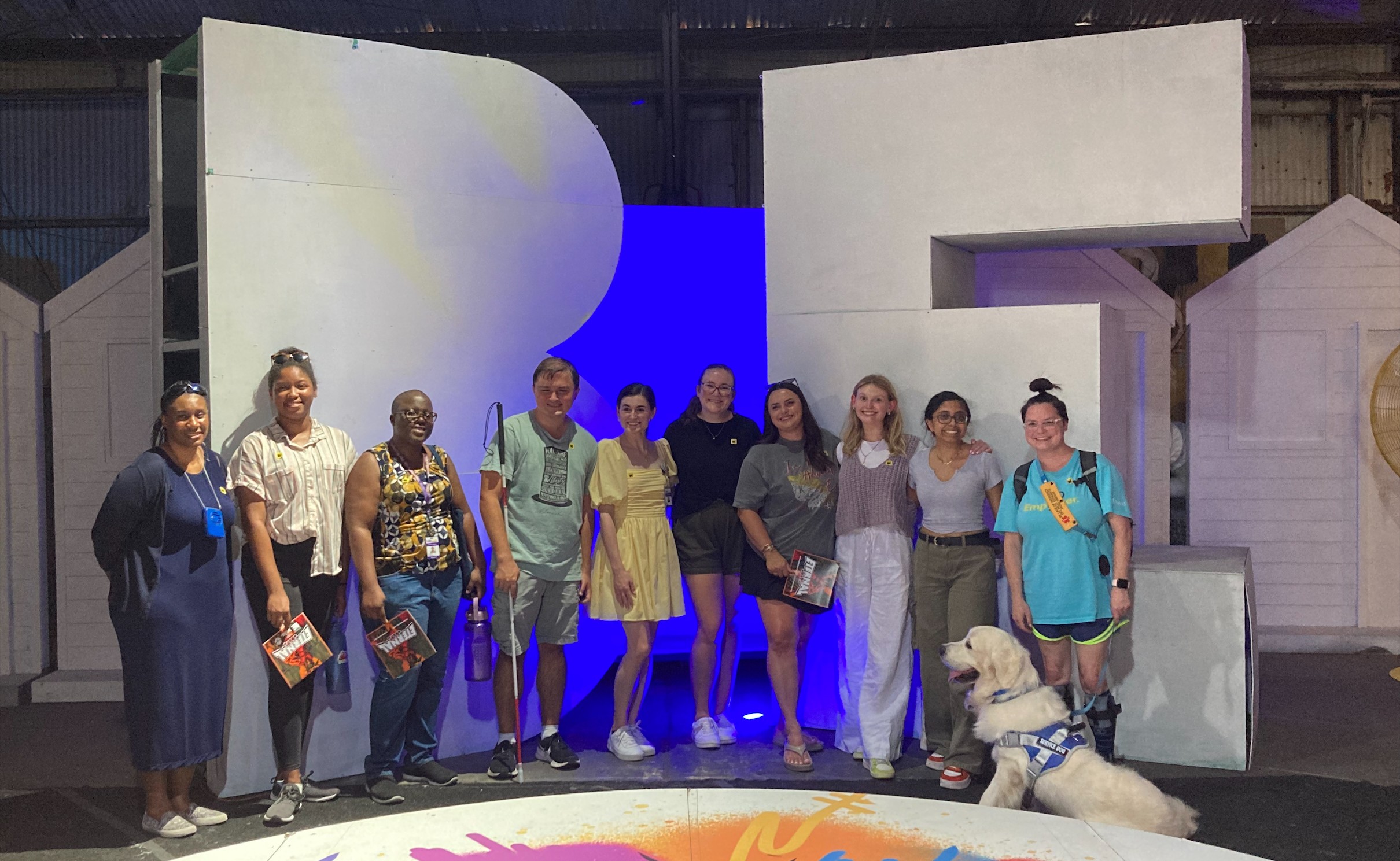
Apply to LEND today!
Applications are due by April 30th.
Are you a student, professional, self-advocate, or family advocate interested in the LEND program?
Apply to the LEND Program here
Faculty and staff are encouraged to share this opportunity with students who are ready to move beyond individual-level care and into leadership that transforms systems.
About the Human Development Center
The Human Development Center (HDC) at LSU Health New Orleans is Louisiana’s University Center of Excellence in Developmental Disabilities. HDC and its programs build the capacity of professionals, service providers, and families to ensure that people with disabilities are able to participate fully in all aspects of community life.