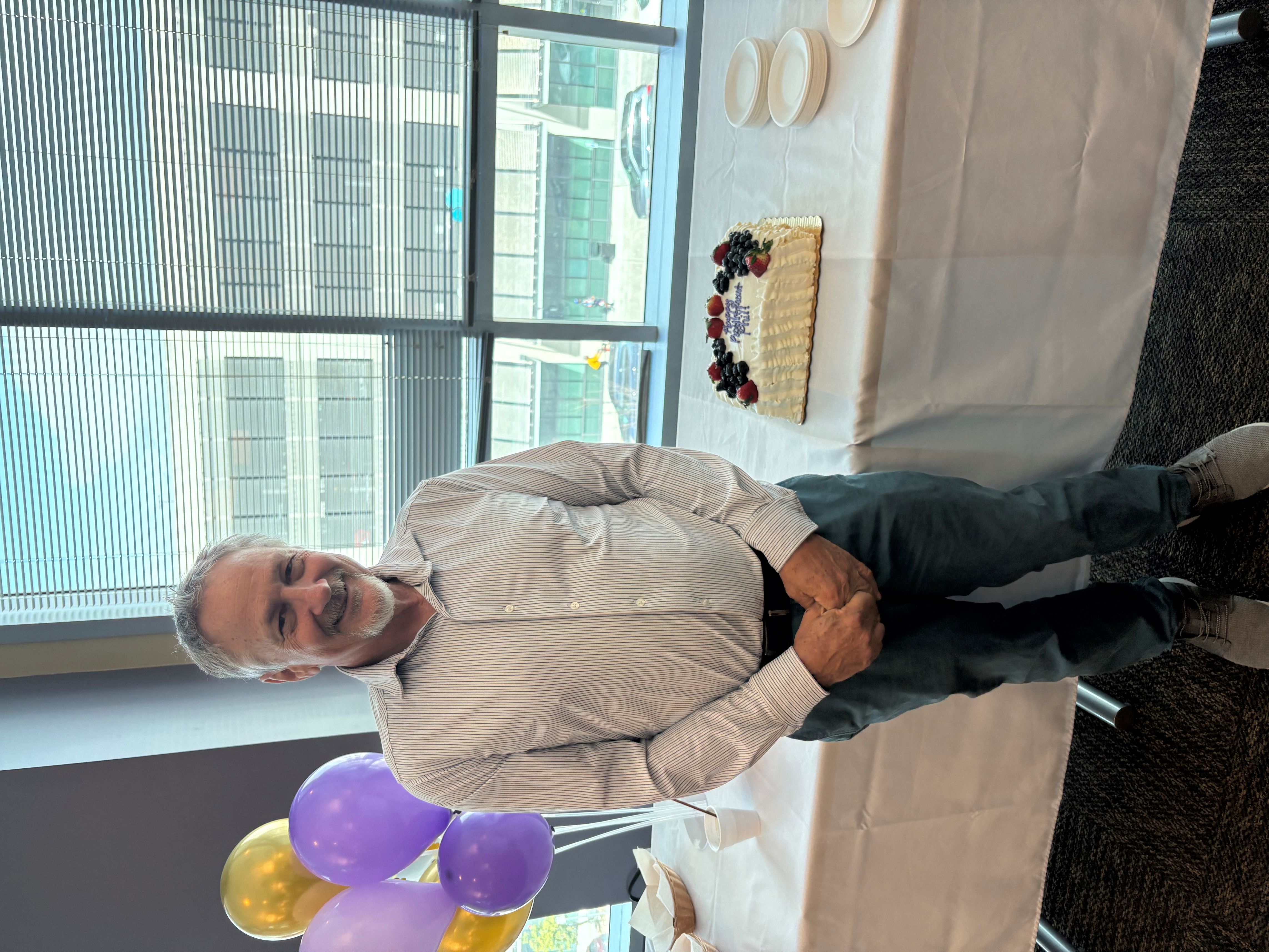
Celebrating Dr. Philip Wilson's Retirement
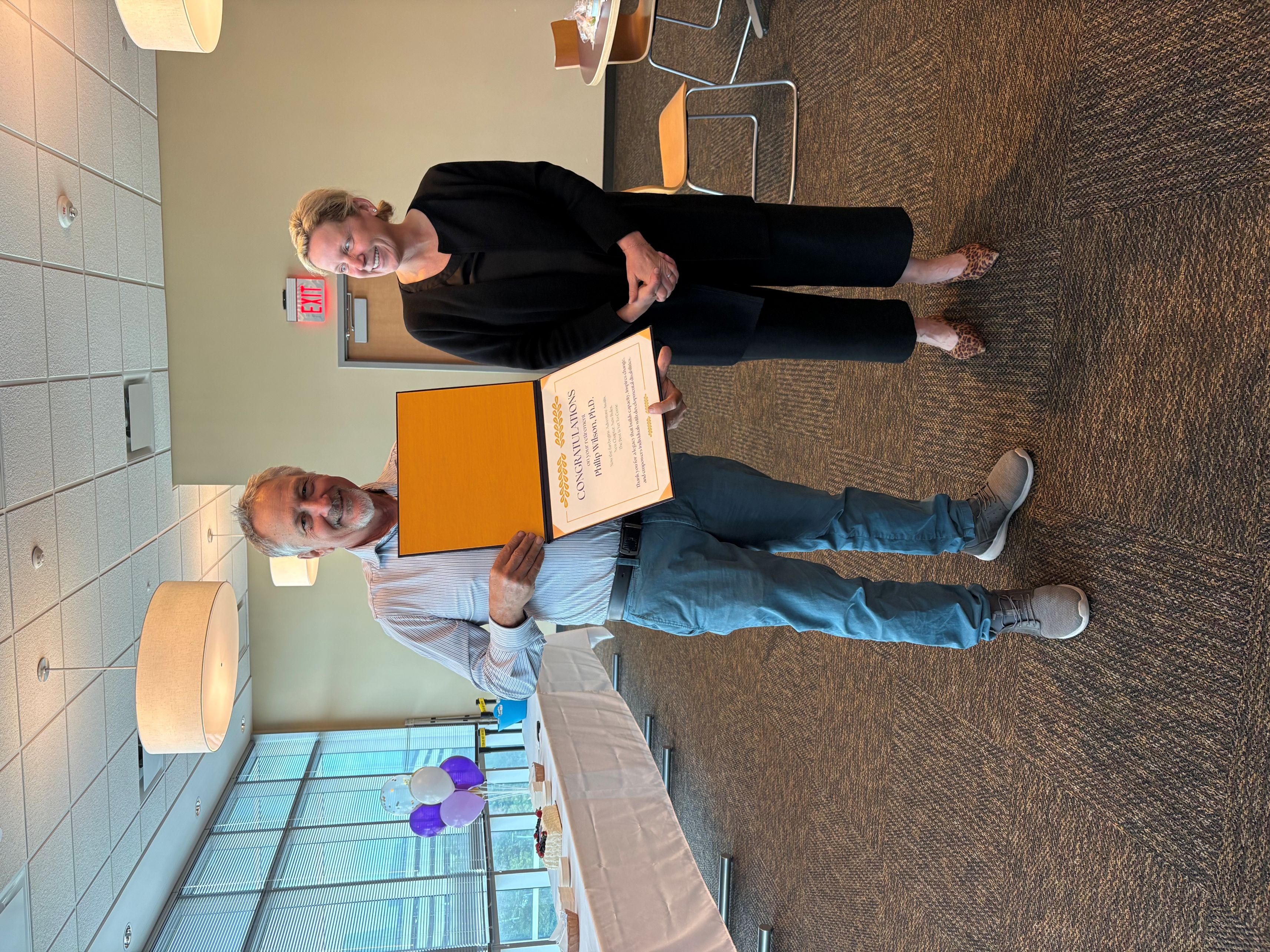
After more than 26 years of leadership, service, and unwavering commitment to people with disabilities and their families, Human Development Center (HDC) Director Philip Wilson, Ph.D. will officially retire on March 1, 2026.
From Supported Employment to Statewide Impact
Dr. Wilson began his journey at the Human Development Center in January 1999 as an Associate Professor focused on supported employment and workforce development for individuals with disabilities. Within two years, he was promoted to Director of Adult Services, where he oversaw a range of programs supporting independence and community inclusion.
Among the initiatives, he is especially proud of “A Home of My Own” project, which helped individuals with disabilities achieve independent living by bridging private resources and public funding to create sustainable homeownership opportunities. For Dr. Wilson, the impact of that work was deeply personal. Seeing individuals purchase and thrive in their own homes reinforced the Center’s mission of creating meaningful, lasting change.
Dr. Wilson stepped into the role of Interim Director in June 2005. Just six weeks later, Hurricane Katrina struck. What followed was one of the most challenging periods in the Center’s history: relocations, temporary facilities, staff displacement, and the long road to rebuilding. Dr. Wilson officially became Director during this time of uncertainty and helped guide Louisiana’s UCEDD through recovery, ultimately securing a permanent home for the Human Development Center.
Over the course of his tenure, Dr. Wilson served as Principal Investigator on grants totaling more than $38 million, sustaining and expanding programs that have impacted thousands of individuals and families across Louisiana.
His legacy
When reflecting on his legacy, Dr. Wilson consistently shifts the focus away from himself.
“There are some things I will always celebrate and be proud of,” he shared, “but it’s not really the things so much as the people.”
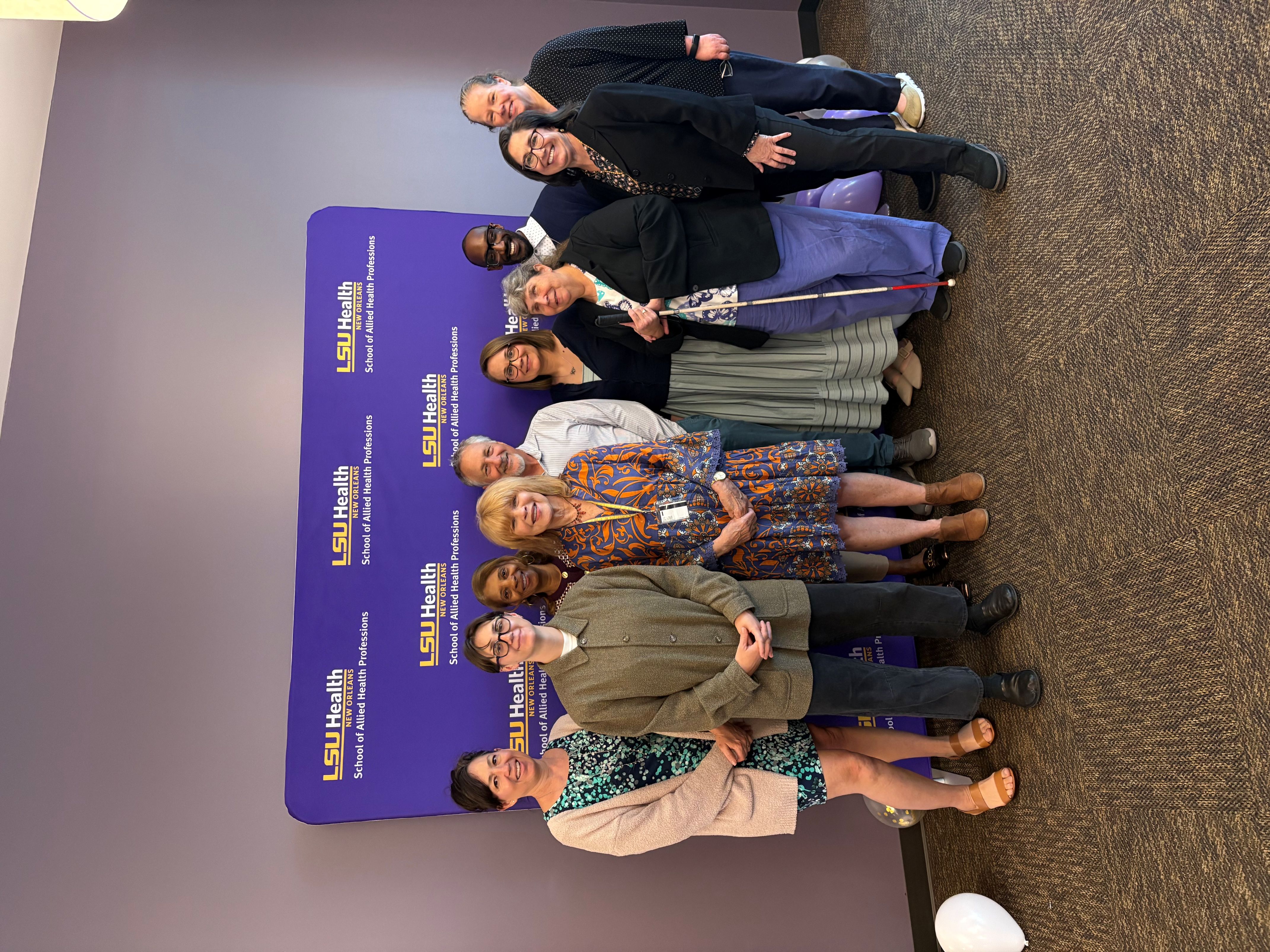
Throughout his time as Director, he witnessed early-career professionals grow into passionate leaders with “fires in their belly, going to change the world kind of people.” Supporting and learning from those individuals is what he considers his greatest accomplishment.
If there is one principle that defines his leadership, it is this: training alone is not enough. Dr. Wilson championed a model of building true capacity, ensuring that professionals not only learn new skills but apply them in real-world settings.
Programs and impact
Dr. Wilson’s fingerprints can be found across many of HDC’s major initiatives.
- Early Childhood Initiatives: From HDC’s early childcare programs to the Early Head Start Child Care Partnership, Dr. Wilson supported inclusive, coaching-based approaches to support early childhood education including supports for young children with disabilities. This work connected educators and families with early intervention, education, development, health, and other related family services.
- K-12 Initiatives: Throughout his years at HDC, Dr. Wilson always supported programs for making K-12 education more inclusive, including supervising school psychology internships, and providing specialized supports for children who have combined vision and hearing loss. HDC’s cornerstone program LASARD, started in 2006, provides professional development and coaching to educators across Louisiana. Dr. Wilson insisted that HDC would not simply “train and leave,” but instead train and coach, working directly alongside educators in classrooms. That hands-on model remains central to LASARD’s success, now serving more than 30 school districts and supporting thousands of students over the past two decades.
- Supported Employment & Transition Services: The foundation of his early work, Supported Employment, evolved under his leadership into a stronger focus on transition to life after high school. Rather than keeping Pre-Employment Transition Services (Pre-ETS) in the high school classroom, HDC programs emphasize hands-on learning in community and employment settings, ensuring participants leave with tangible skills and the ability to apply them. Throughout his entire tenure, employed Louisianians have also consistently been supported with HDC’s benefits planning services to make the most of available work incentives.
What he looks forward to
While many retirees have a clear next chapter mapped out, Dr. Wilson is approaching this transition thoughtfully. He hopes to find meaningful, fulfilling work that continues to serve others.
He has long supported World Central Kitchen and has been deeply moved by global and local food insecurity. Closer to home, he is particularly aware of the unmet needs of individuals in New Orleans experiencing homelessness, especially those who may have undiagnosed intellectual or developmental disabilities.